
Visible location
Nose, ear, eyelid, lip, face, scalp, and neck sites are planned with appearance and function in mind.
Do you think you have a cancer of the ears, nose, or scalp?
Canton, Jasper, Blue Ridge, Blairsville, and surrounding communities.
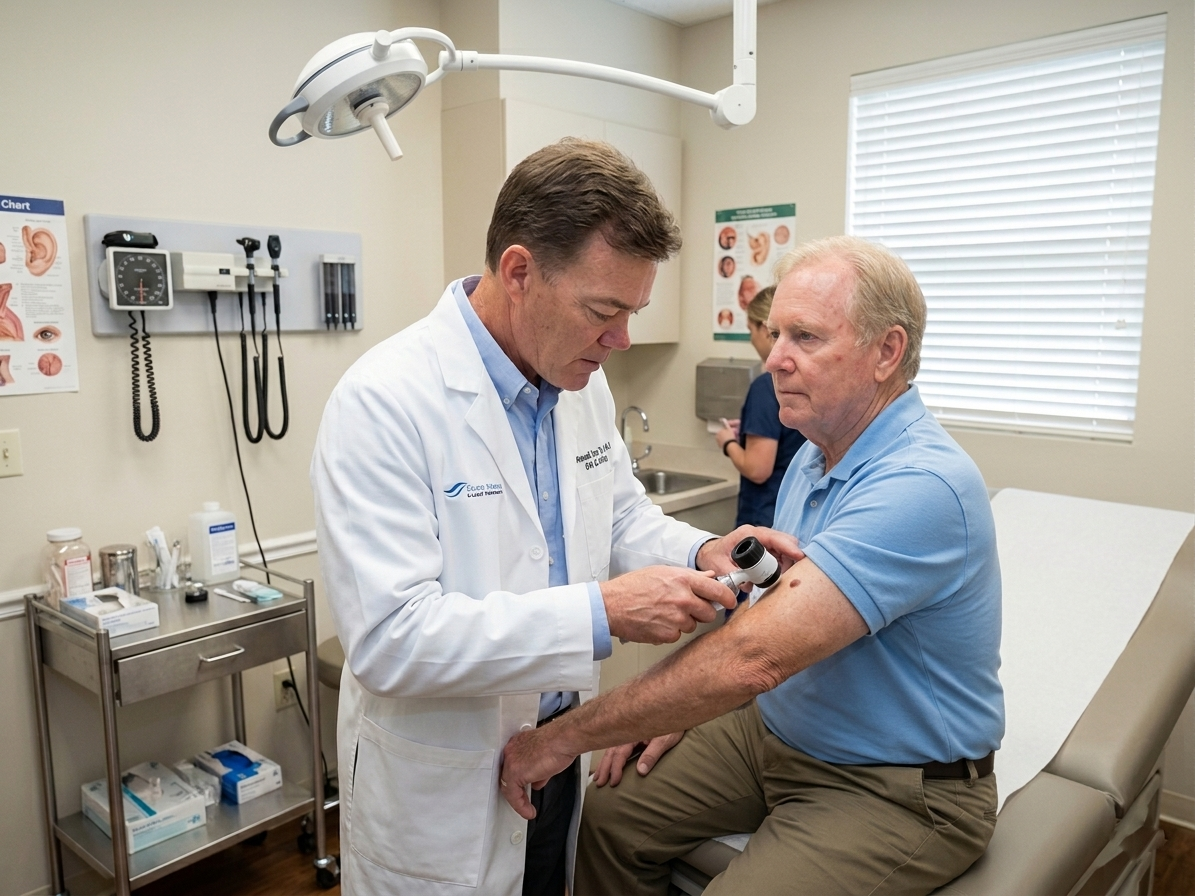
The visit helps clarify whether surgery is appropriate and which approach may be used.
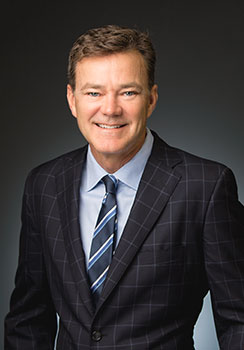
Surgical planning for visible head and neck areas.
Dr. Van Tuyl founded Ear, Nose, Throat & Allergy Specialist in 1995. Visits focus on biopsy review, examination, treatment options, and what repair may involve.
The biopsy result, location, and amount of healthy tissue involved guide the surgical plan. On the face, ears, scalp, and neck, preservation of normal tissue is highly important. Excision and subsequent repair are carefully planned to accomplish the goal of normal tissue preservation and favorable cosmetic outcome.
Mohs surgery is one option for basal cell and squamous cell cancers of the face, ears, scalp and neck.
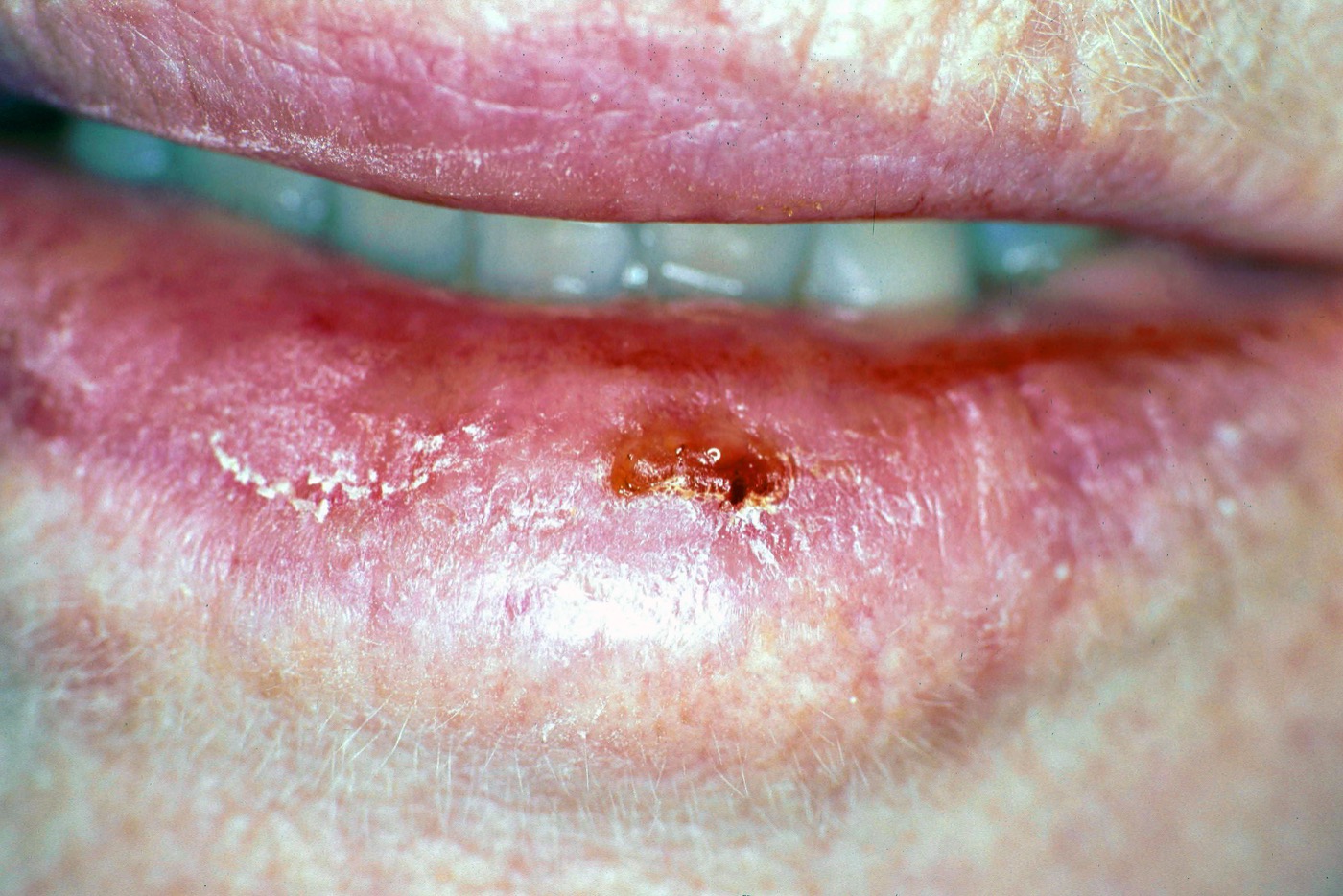
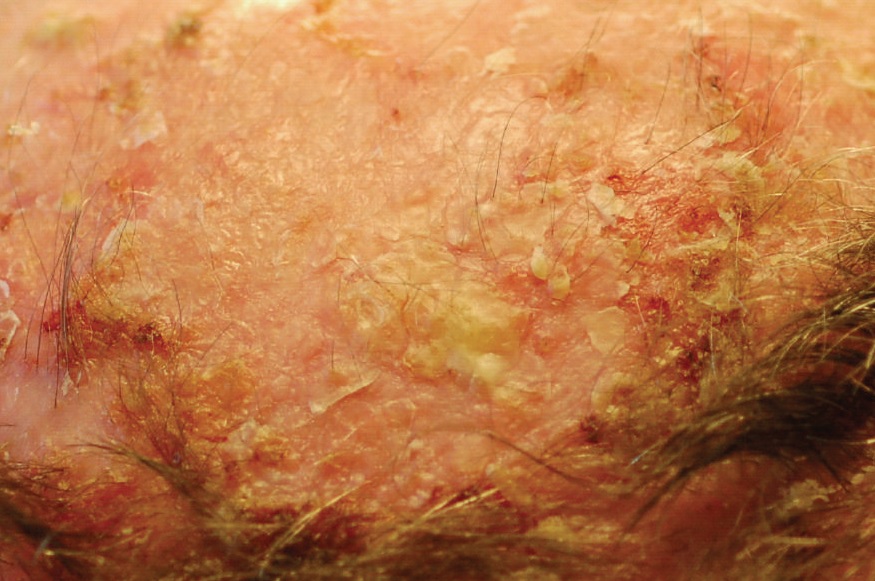
The photo examples appear lower on the page. Here, the planning focus is location, borders, and repair.
Nose, ear, eyelid, lip, face, scalp, and neck sites are planned with appearance and function in mind.
The biopsy, cancer type, and visible edges help guide whether excision, Mohs surgery, or another approach fits.
Closure is considered early so the treatment plan accounts for wound size, healing, and follow-up care.
Many procedures are outpatient and performed with local anesthesia. Timing varies by the surgical approach, size, location, and repair needed.
Many sites are closed with stitches. Depending on the size and location, some wounds may require a flap or graft.
Before treatment, tell the office about your medical history and medications. Do not stop prescription medications unless your surgeon specifically tells you to do so.
These images are examples only. A photo cannot diagnose skin cancer or determine whether surgery is needed.
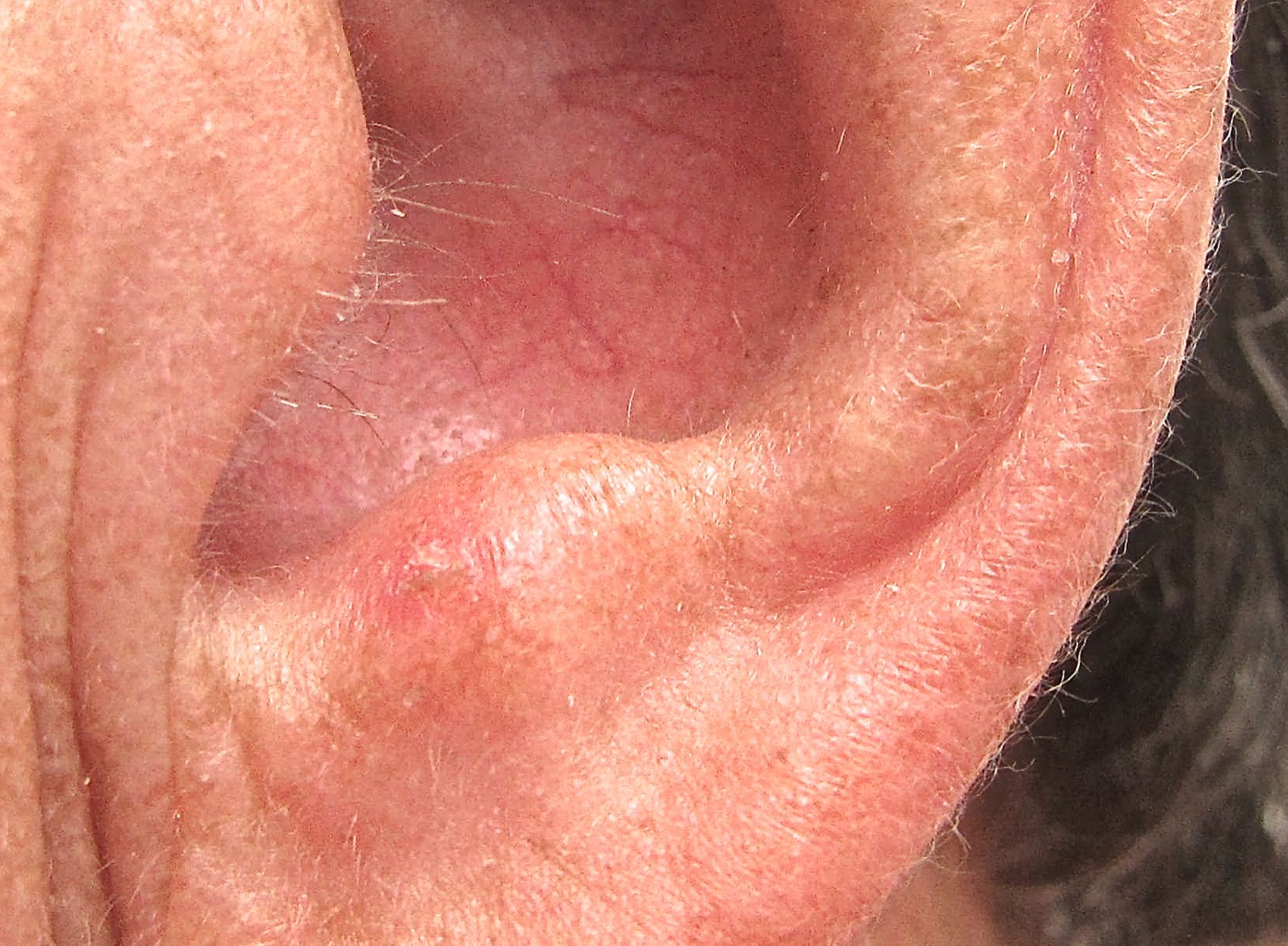
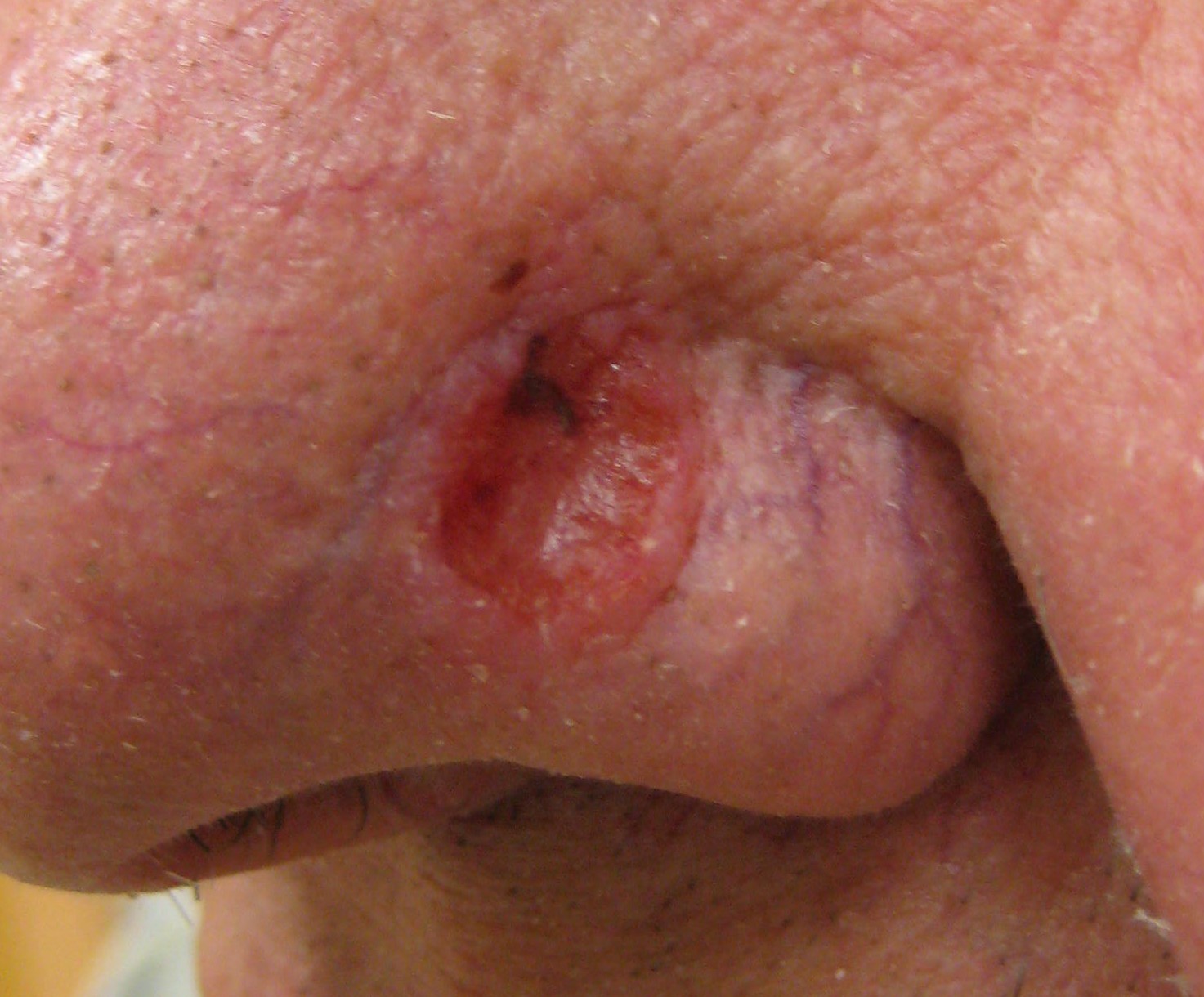
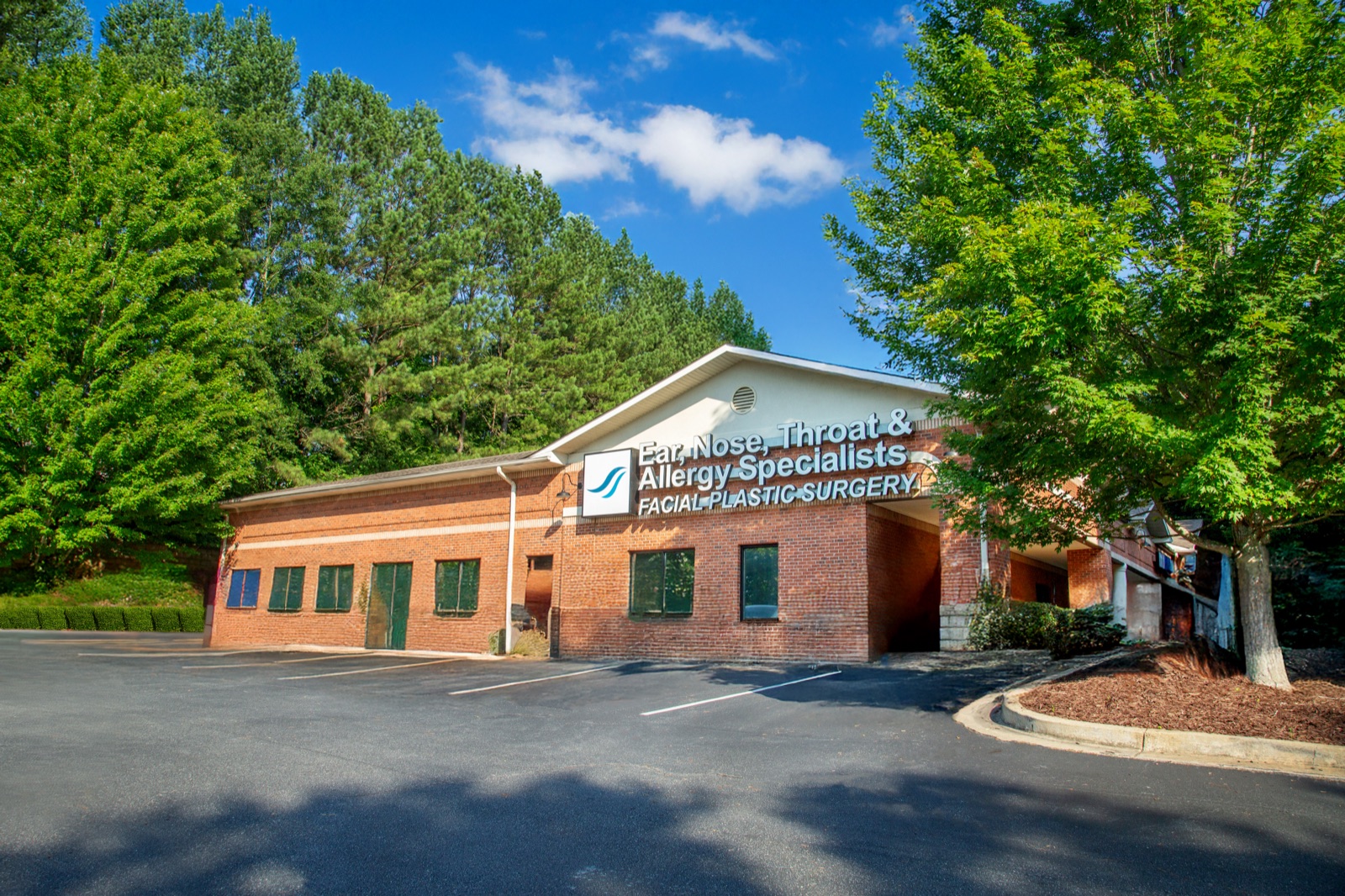
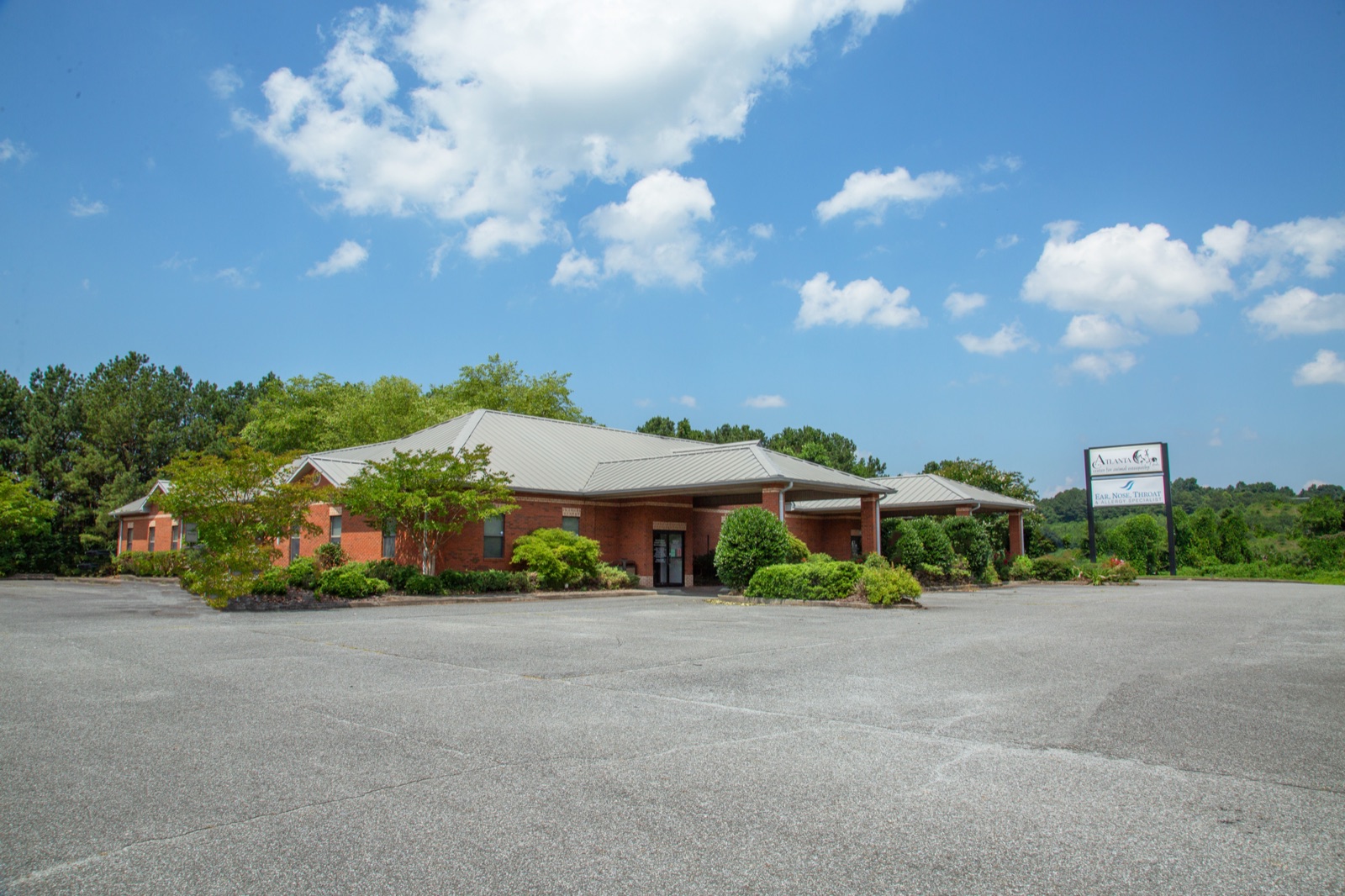
Four North Georgia offices. Call one number and the team will help confirm the right location for your visit.
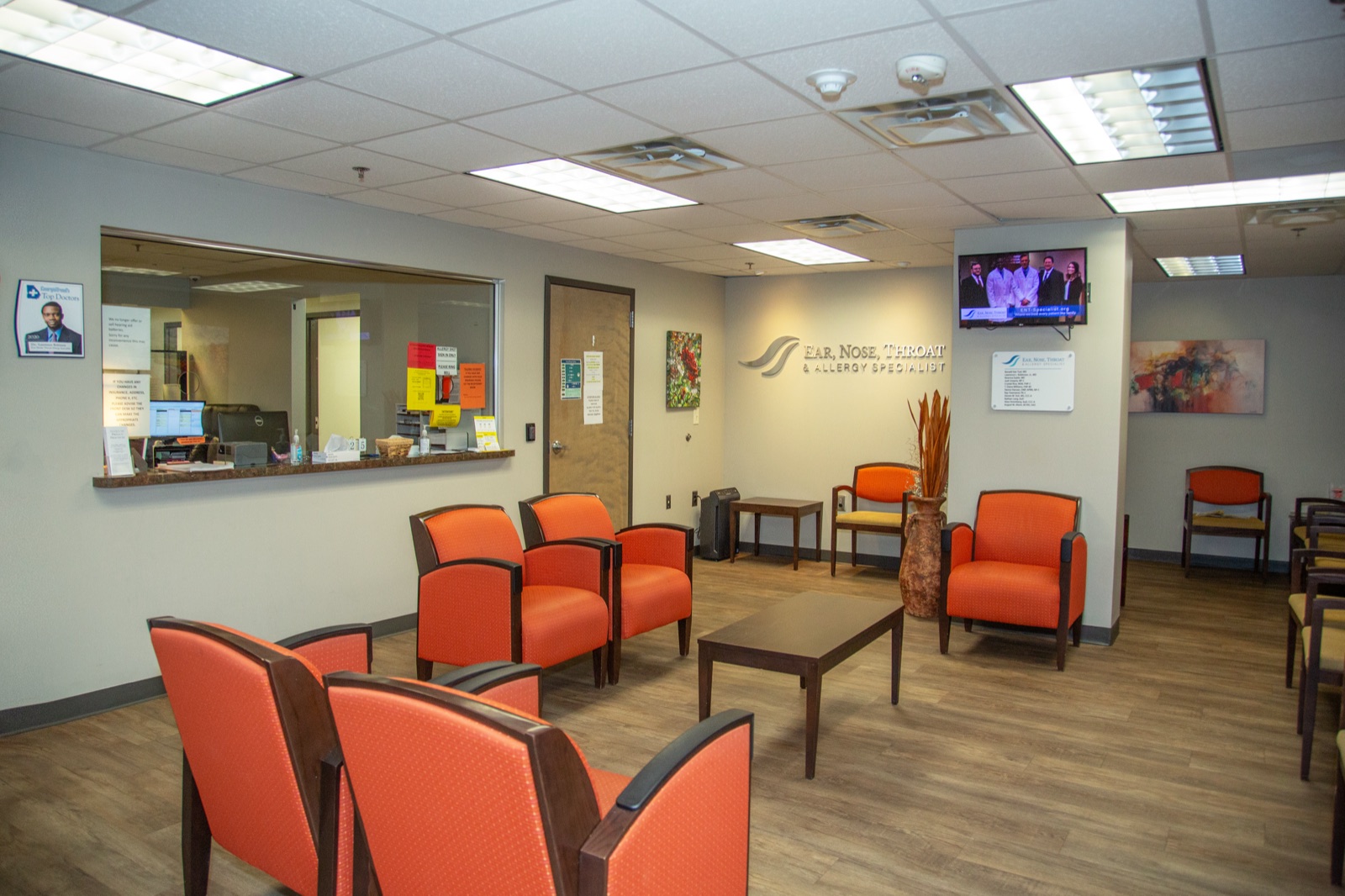
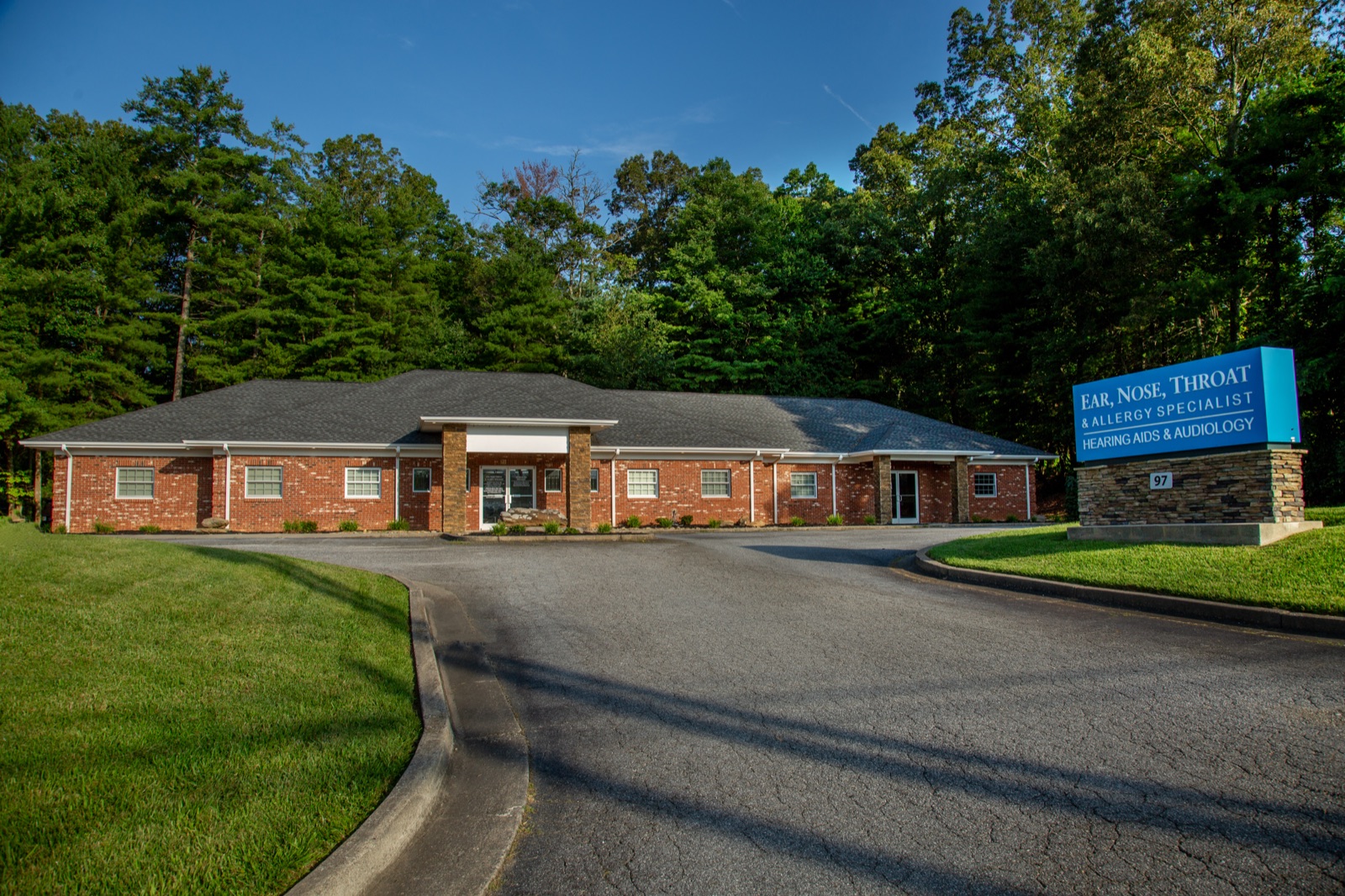
Riverstone Medical Campus
101 Riverstone Vista, Suite 212
Blue Ridge, GA 30513
Many basal cell and squamous cell skin cancers are treated surgically, especially when they are growing, recurrent, have unclear borders, or are located in areas where function and appearance matter. The right treatment depends on the biopsy and your surgeon's evaluation.
These areas are highly visible and can involve important structures with limited extra tissue. Surgical planning focuses on cancer removal, preservation of healthy tissue when possible, and thoughtful repair.
No. Mohs surgery may be recommended for certain skin cancers, especially in tissue-sensitive areas or when margins are unclear. Other cases may be treated with excision or another surgical approach.
Timing varies by the type of surgery, the size and location of the cancer, and the repair needed. When Mohs surgery is used, many patients should plan for approximately 3 to 4 hours, though timing varies.
Many skin cancer procedures are performed with local anesthesia, so the area is numb while you remain awake. Your surgical plan will be reviewed before treatment.
Many surgical sites are closed with stitches. Depending on the size and location of the wound, a flap or skin graft may sometimes be recommended.
Do not stop prescription medications unless your surgeon specifically tells you to do so. If you take blood thinners or have questions about medications, contact the office before your procedure for guidance.

Request an appointment with Dr. Ronald Van Tuyl, or call the office directly.